Quick Answer
Replace the battery when testing shows it can no longer reliably provide the required performance, when it has an internal fault, or when repeated starting problems are traced to the battery rather than the alternator, wiring or another cause.
Slow cranking, repeated jump starts and poor cold-weather starting are common warning signs, but diagnosis should include the charging system and parasitic drain where appropriate.
1. Slow engine cranking
A car battery can weaken gradually until the engine suddenly fails to start, but age alone is not enough to decide when replacement is necessary. Battery life varies with vehicle technology, climate, journey pattern, charging system, electrical load and how long the car sits unused.
The better approach is to pay attention to starting behaviour, electrical symptoms and test results. If a battery repeatedly goes flat, identify why rather than automatically replacing it every time.
On a conventional petrol or diesel vehicle, a weakening 12-volt battery may turn the engine more slowly than normal when you start the car.
A single slow start after the vehicle has been left for a long period does not prove battery failure. Cold weather, a charging fault or an electrical drain can produce similar symptoms.
If slow cranking becomes consistent, arrange a battery and charging-system test before you are left unable to start.
2. Repeated flat batteries
A battery that goes flat more than once needs diagnosis.
Possible causes include:
- the battery no longer holds sufficient charge
- the alternator or charging system is faulty
- the vehicle is used only for short journeys
- a light or accessory remains on
- an aftermarket device draws power when parked
- a control module fails to enter sleep mode
- poor terminals or cable connections
Replacing the battery can temporarily hide an electrical drain, but the new battery may then flatten as well.
3. Clicking but the engine does not crank
Rapid clicking or a single click can occur when battery voltage is too low to operate the starter properly, but starter-motor and connection faults are also possible.
Do not diagnose from sound alone. If the dashboard lights behave strangely or dim heavily when starting, that information can help the mechanic.
Repeatedly attempting to start can further discharge the battery.
4. Electrical resets and unusual behaviour
A weak 12-volt supply can cause clocks, infotainment settings, stop-start functions or other electronics to behave unexpectedly. Modern vehicles contain many control modules that depend on stable voltage.
However, electronic faults can also create battery drain. If several warning messages appear after a flat battery, have the vehicle scanned and assessed before assuming every message represents a separate failed component.
5. Battery warning light does not simply mean “replace the battery”
The dashboard battery symbol often relates to the charging system rather than the battery's state of health alone. If it illuminates while the engine is running, the alternator, belt, wiring or control system may not be charging correctly.
Continuing to drive can eventually leave the vehicle without sufficient electrical power. Check the handbook and arrange assistance according to the warning and vehicle behaviour.
How long should a car battery last?
There is no guaranteed replacement age. Many consumer guides quote broad multi-year averages, but a battery can fail earlier or remain serviceable longer.
Frequent short trips, prolonged storage, temperature extremes and high electrical loads can affect condition. So can repeated deep discharge.
Rather than publishing a fixed “replace every X years” rule, test an ageing battery and monitor performance, especially before winter or a long journey.
Short journeys and battery charging
Starting an engine uses significant electrical energy. On repeated short trips, the charging system may not fully replace what was used, particularly when heated screens, lights, blowers and seat heaters are operating.
An occasional longer journey may help some vehicles, but running a car solely to “charge the battery” is not a substitute for diagnosis where the battery repeatedly goes flat.
A compatible smart charger can be useful for vehicles stored for longer periods, but follow the vehicle and charger instructions. Some modern cars have designated charging or earth points.
Start-stop vehicles need the correct battery technology
Vehicles with automatic start-stop systems commonly use batteries designed for repeated cycling, such as AGM or EFB types depending on the vehicle.
Replacing one with an inappropriate conventional battery can lead to poor performance or shortened life. Some vehicles also require battery registration, coding or energy-management reset after replacement.
Use the specification listed for the exact vehicle rather than choosing only by physical size or terminal position.
Battery terminals and visible condition
With the vehicle switched off and following manufacturer safety guidance, you can visually check accessible terminals for obvious corrosion, looseness or damage.
Do not place metal tools across terminals or disconnect the battery casually on a modern vehicle. Disconnection can affect security systems, windows, steering calibration, infotainment and stored fault data.
If a terminal is loose, heavily corroded or the battery case is swollen, cracked or leaking, arrange professional attention.
Battery testing
A workshop can use appropriate equipment to assess battery condition, starting performance and charging voltage. The exact test depends on battery type and vehicle.
A simple resting-voltage reading can be useful but does not always reveal the battery's ability to deliver high starting current. A proper conductance or load-based assessment can provide more information.
The mechanic should also verify whether the alternator or intelligent charging system is operating correctly.
Alternator and charging-system faults
A healthy battery will eventually go flat if the vehicle does not recharge it.
Signs that may point towards charging-system trouble include:
- a battery/charging warning while driving
- repeated flat batteries despite replacement
- dimming or unstable electrical systems
- unusual belt noise on vehicles with belt-driven alternators
- charging voltage outside expected behaviour when tested
Modern smart-charging systems can vary voltage deliberately, so DIY interpretation of one multimeter reading can be misleading.
Parasitic battery drain
Vehicles continue using a small amount of power when parked for alarms, locking and control modules. A parasitic drain is an abnormal or excessive draw that discharges the battery while the car sits.
Causes can include aftermarket dashcams, trackers, lighting faults, stuck relays or electronic modules that fail to shut down.
Accurately measuring parasitic drain on a modern car requires care because opening doors or connecting meters can wake modules and change the reading. This is usually better left to a technician.
Jump starting safely
Jump starting can get a vehicle moving but does not repair the cause of a flat battery. Follow the handbook because jump points and procedures vary, especially on hybrids and vehicles with sensitive electronics.
Using leads incorrectly can cause injury or electrical damage. If the battery is damaged, leaking, frozen or swollen, do not attempt to jump it.
After a successful start, arrange diagnosis if the reason for the discharge is not clear.
12-volt batteries in electric vehicles
Battery-electric vehicles still commonly use a conventional low-voltage battery to operate control systems, locks, contactors, lighting and other functions. If this 12-volt battery is weak, the vehicle may fail to become “ready” even when the high-voltage traction battery is charged.
Do not work on high-voltage EV systems yourself. The traction battery and orange high-voltage cabling require trained personnel and appropriate procedures.
A technician familiar with the vehicle can test the 12-volt system without treating the high-voltage battery as the suspected cause.
Battery care if the car is stored
If a vehicle will be unused for an extended period, follow the manufacturer's storage guidance. Depending on the car, this may involve a compatible maintainer, periodic checks or specific EV charge-level recommendations.
Do not disconnect the battery automatically. Some vehicles need continuous low-voltage power for security and control systems.
If the vehicle is kept in a garage, ensure any charger is used in accordance with its instructions and in a suitable environment.
Replacing the battery
A correct replacement needs to match the vehicle's electrical specification, battery technology, capacity requirements, physical fit and terminal layout.
The process may also require:
- saving or restoring vehicle settings
- battery registration/coding
- checking the charging system
- clearing or interpreting stored faults
- recycling the old battery correctly
This is why a battery purchase should be based on the vehicle registration or exact specification rather than a generic “same size” match.
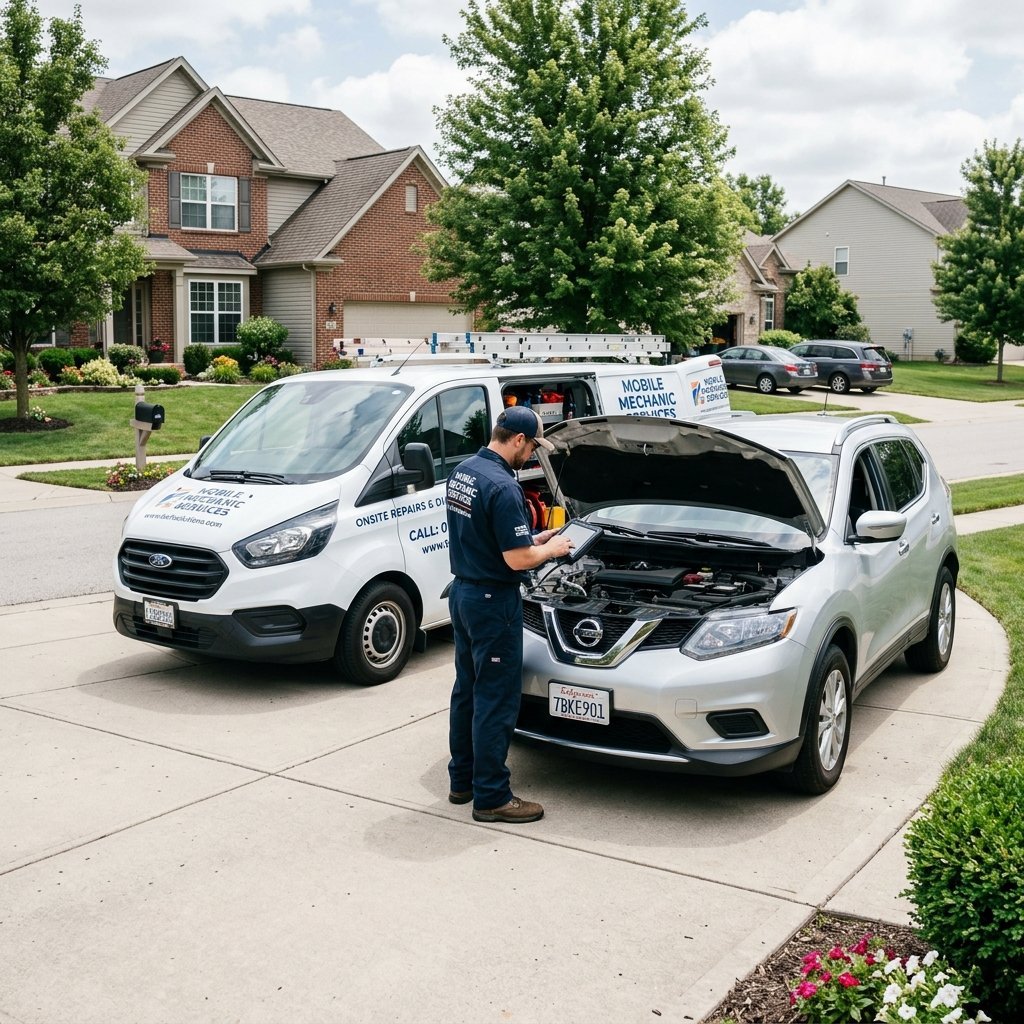
Proper Trades can help arrange mobile or workshop mechanic services across the Midlands for battery testing, replacement and electrical diagnosis.
Preparing for a long journey
If starting has recently become slow or the battery needed a jump start, deal with it before a road trip. Include battery condition in the broader pre-road-trip maintenance checklist alongside tyres, fluids and brakes.
A healthy battery can still fail unexpectedly, but known symptoms should not be ignored.
Proper Trades connects homeowners and businesses across the Midlands with contact our team.
For further guidance, read our mobile mechanic vs garage service.
For further guidance, read our early signs of brake wear.
Frequently asked questions
1. How many years does a car battery last?
There is no guaranteed lifespan. Battery condition depends on use, vehicle charging strategy, temperature, electrical loads and discharge history. Testing and symptoms are more useful than replacing solely by age.
2. Why does my new battery keep going flat?
The vehicle may have a charging-system fault or parasitic electrical drain, or the replacement may be incorrect for the vehicle. Have the full system tested rather than fitting another battery immediately.
3. Does the battery warning light mean my battery is dead?
Not necessarily. It often indicates a charging-system problem while the engine is running. Check the handbook and arrange diagnosis because the alternator or related components may be involved.
4. Can short journeys damage a battery?
Repeated short journeys can leave a battery undercharged because starting energy is not always fully replenished. The effect depends on the vehicle, electrical load and journey pattern.
5. Can I fit any battery that physically fits the tray?
No. The vehicle may require a specific technology, electrical rating and coding procedure. Start-stop systems in particular often need AGM or EFB batteries as specified by the manufacturer.
6. Do electric cars have normal 12-volt batteries?
Many do. The low-voltage battery powers control and accessory systems and can cause starting/“ready” problems when weak, even if the high-voltage traction battery has charge.
Need Professional Help with Your Project?
Proper Trades connects you with vetted, qualified trade specialists across the Midlands. Tell us your requirements, and we will review your project and present a single clear quote.
Enquiry Received
Thank you. We will review your project and get in touch shortly.