Quick Answer
If it is safe to reach, turn off the property's internal stop tap to stop or reduce the incoming water supply. Switch off water-using equipment and avoid using taps or toilets until the situation is understood. Move possessions away from the water and contain drips with buckets or towels where this can be done safely.
If water is affecting electrical equipment, do not touch wet sockets, switches, appliances or the consumer unit. Arrange emergency plumbing help and electrical advice where required.
1. Turn off the water supply
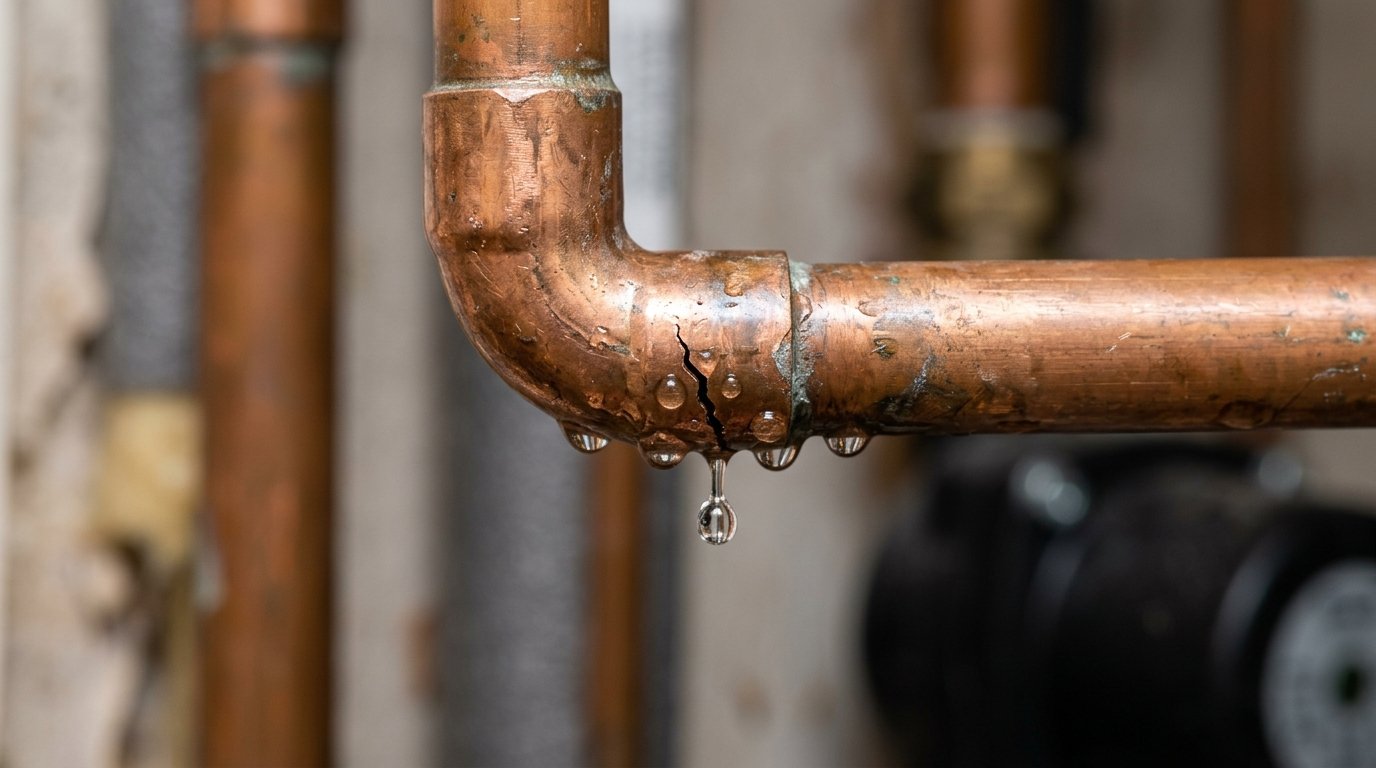
A burst pipe can release a large amount of water quickly, so the first priorities are personal safety, stopping the water supply and limiting damage. You do not need to identify the exact pipe or repair it yourself before taking those steps.
Where water is near electricity, a ceiling is sagging or the leak is in a difficult-to-access location, keep away from the affected area and seek emergency assistance. Once the flow has been controlled, the pipe can be repaired and the building checked for moisture damage.
Every household should know where the internal stop tap or stop valve is before an emergency occurs. It is commonly located near where the water supply enters the property, but positions vary.
Turn it off carefully. If it is seized, damaged or inaccessible through standing water, do not force it or put yourself at risk. A plumber or water company may need to assist with isolation elsewhere.
If the leak comes from a specific system with its own safe isolation valve, that may also help, but only operate valves you can identify confidently.
2. Treat water near electricity as a separate hazard
Water can enter light fittings, sockets, extension leads, fixed appliances and wiring routes. Do not wade through water to reach electrical controls and do not touch wet electrical equipment.
If the main electrical switch can be reached from a completely dry and safe location, isolation may be appropriate, but if there is any doubt, keep clear and contact the emergency services or an electrician as appropriate to the situation.
After the plumbing leak is repaired, electrical equipment that became wet may need inspection before normal power is restored. Proper Trades can coordinate electrical services alongside the plumbing response where necessary.
3. Limit the spread of water where safe
Once the supply is isolated, use containers, towels or absorbent materials to stop water spreading into unaffected areas if it is safe to enter the room.
Move furniture, electronics, rugs and other valuable items away from the wet area. Do not stand beneath a ceiling that is bulging or visibly saturated; water can add significant weight and ceiling materials can fail.
If water is coming through a ceiling, stay out of the room if there is any concern about collapse or electrical fittings.
4. Open outlets only when appropriate
After the incoming supply is isolated, a plumber may advise opening selected taps to relieve pressure or drain parts of the system. The appropriate action depends on which system has failed.
Avoid following generic advice to drain every system without understanding whether the burst is on the mains, hot-water, heating or another circuit. Heating systems, cylinders and boilers can have separate controls and safety requirements.
5. Call an emergency plumber
Tell the plumber:
- whether the water has been isolated
- where the leak appears to be
- whether it is above or below ground floor
- whether a ceiling or electrical equipment is affected
- whether the pipe may have frozen
- what work was recently carried out nearby
- whether the property still has running water elsewhere
Clear information helps the plumber bring suitable equipment and judge the urgency.
Proper Trades can help arrange plumbing services across the Midlands for burst pipes and subsequent repair work.
What if you cannot find the stop tap?
Check likely accessible locations such as beneath the kitchen sink, utility areas, understairs cupboards or close to the point where the service pipe enters the building. In flats, isolation may be in a service cupboard or communal area.
Do not start dismantling fitted units or breaking into walls during an emergency unless directed by a professional. If you rent or live in a managed building, contact the landlord, managing agent or building emergency contact because the supply may be communal.
After the incident, label the stop tap and make sure everyone in the household knows where it is.
Burst pipe versus a smaller leak
A burst pipe usually involves obvious, rapid water escape, but a small concealed leak can also cause serious damage over time.
If the water is only appearing as a damp patch and the supply can remain safely in service, avoid opening large areas based on guesswork. Our guide to signs of a hidden water leak explains how to narrow down a concealed source.
For an active burst, damage limitation takes priority over detailed diagnosis.
Common causes of burst pipes
Pipes can fail for several reasons:
- freezing and expansion in vulnerable locations
- corrosion or material deterioration
- accidental drilling or impact
- poorly supported pipework
- failed joints or fittings
- excessive movement
- previous poor-quality repairs
- pressure-related faults within a system
The plumber should identify why the pipe failed rather than simply replace the visibly split section where a wider issue may remain.
Frozen pipes
Pipes in lofts, garages, outbuildings, external walls and other cold areas can be more vulnerable during freezing weather, particularly where insulation is absent or damaged.
If a pipe is frozen but has not yet visibly burst, do not use naked flames or high-intensity heat to thaw it. Sudden heating can damage materials and create fire risks. Isolate the supply where advised and use safe gradual methods or call a plumber.
A frozen section can split before it thaws, with the leak only becoming obvious when water begins flowing again.
What happens after the pipe is repaired?
Repairing the pipe stops the cause but does not instantly remove water from the building fabric. Floors, plasterboard, insulation, timber and fitted furniture may remain wet.
The next steps can include:
- checking the repaired system for leaks
- assessing damaged finishes and materials
- documenting the affected area
- controlled ventilation or drying
- removing materials that cannot be retained
- checking electrical equipment exposed to water
- monitoring moisture before reinstatement
Do not seal damp materials behind new finishes simply because the surface appears dry.
Insurance considerations
If the damage may be covered by insurance, contact the insurer as soon as practical and follow its emergency-claim process. Take photographs and keep records of emergency call-outs, repairs and damaged belongings.
Policies and excesses vary, so avoid assuming that every burst-pipe cost will be covered. The insurer may have preferred contractors or requirements for drying and reinstatement.
Emergency work needed to prevent further damage should be documented clearly.
Preventing another burst
After the immediate problem is solved, ask why the pipe failed and whether similar sections are exposed to the same risk.
Useful preventive steps can include:
- insulating vulnerable pipework appropriately
- repairing damaged insulation
- keeping suitable background heat during severe cold where appropriate
- knowing how to isolate the supply
- securing poorly supported pipework
- replacing deteriorated flexible connectors or fittings when recommended
- recording pipe routes during renovations
If a property will be empty during winter, check insurance and heating requirements and consider a suitable property-management plan rather than simply turning every system off without advice.
Burst pipes during renovation
Renovation can create temporary risk because services are exposed, rerouted or disconnected. Screws and fixings can also damage concealed pipes if routes are unknown.
Before drilling or cutting, trades should consider service locations and use appropriate detection and safe-working methods. If you are planning new bathrooms, kitchens or an extension, coordinate the plumbing and construction scopes before walls are closed.
For further guidance, read our checking low water pressure causes.
For further guidance, read our commercial plumbing maintenance checklist.
Frequently asked questions
1. Where is my stop tap likely to be?
It is often near the point where the incoming water supply enters the property, commonly beneath a kitchen sink or in a utility/service area, but locations vary. Find and label it before an emergency rather than relying on a generic location.
2. Should I turn off the electricity after a pipe bursts?
Water near electricity can be dangerous. Do not enter standing water or touch wet electrical equipment to reach the consumer unit. If safe isolation is not clearly possible, keep away and seek professional or emergency help.
3. Can I repair a burst pipe with tape?
Temporary products may reduce a very small leak in some circumstances, but they should not be relied on as a permanent repair for a burst pipe. Isolate the water and arrange a proper repair.
4. Why did the pipe burst after it thawed?
A frozen pipe can split while frozen but not leak significantly until ice melts and normal water flow returns. This is why a frozen pipe should be treated cautiously even if no water is visible initially.
5. How long does a property take to dry after a burst pipe?
There is no reliable fixed period. Drying depends on the amount of water, materials affected, ventilation, temperature and whether water entered cavities or insulation. Moisture assessment is more useful than a calendar estimate.
6. Should damaged plasterboard always be removed?
Not automatically. The decision depends on contamination, saturation, loss of strength, mould risk and whether the material can dry effectively. A building or drying specialist can assess what should be retained or replaced.
Need Professional Help with Your Project?
Proper Trades connects you with vetted, qualified trade specialists across the Midlands. Tell us your requirements, and we will review your project and present a single clear quote.
Enquiry Received
Thank you. We will review your project and get in touch shortly.