Quick Answer
An EICR is produced after a competent person carries out periodic inspection and testing of the fixed electrics in a property. This can include distribution equipment, circuits, protective devices, earthing and bonding, and a sample or selection of accessible accessories as appropriate to the inspection.
The report records the installation's condition and uses observation classifications to show the significance of any safety issues found. If dangerous or potentially dangerous defects are identified, remedial work will normally be needed.
What does an EICR look at?
An Electrical Installation Condition Report, usually shortened to EICR, is a formal report on the condition of a property's fixed electrical installation at the time it is inspected and tested. It is designed to identify safety issues, deterioration, defects and observations that may require remedial work or further investigation.
An EICR is not a guarantee that no electrical fault will ever occur and it is not the same as an appliance test. It provides a structured assessment of the fixed installation based on what can reasonably be inspected and tested during the visit.
The inspection is concerned with fixed electrical systems rather than everything that happens to use electricity. The exact extent depends on the property, access, agreed limitations and the inspector's professional judgement.
Areas considered may include:
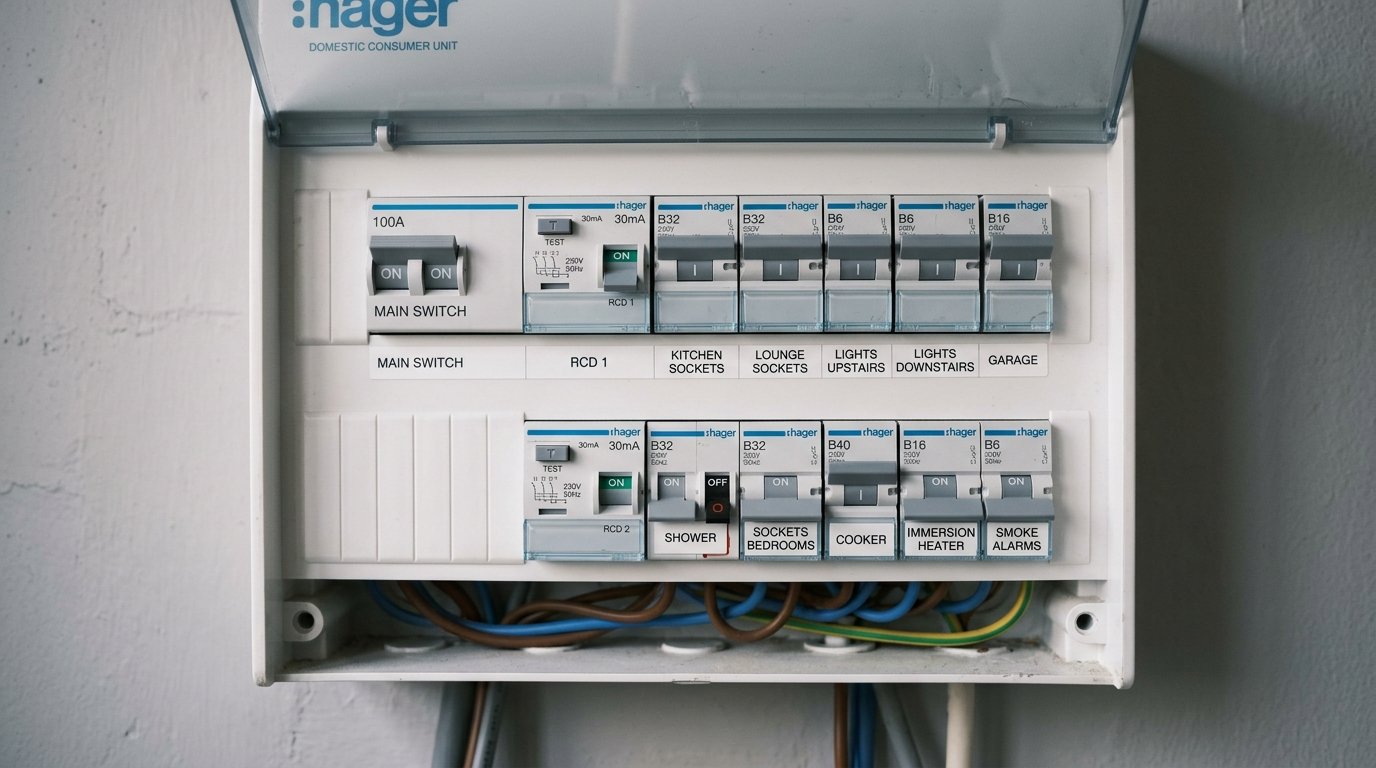
- the consumer unit or distribution boards
- protective devices such as circuit breakers and RCDs
- earthing and bonding arrangements
- fixed wiring and circuit arrangements
- socket outlets and switches where accessible
- fixed lighting circuits
- signs of deterioration, overheating or damage
- suitability of protective measures
- test results for the circuits inspected
- evidence of additions or alterations that may affect safety
The inspector may need to isolate circuits and remove a reasonable selection of covers to inspect connections. They should not normally be expected to dismantle the building or expose every length of concealed cable.
What does an EICR not cover?
An EICR is not a full building survey and does not assess unrelated structural, plumbing or roofing defects. It is also different from portable appliance testing, which concerns certain plug-in appliances rather than the fixed installation.
The report is limited by what can be accessed safely. Furniture, fitted units, locked areas, buried cables and inaccessible voids can restrict inspection. Any agreed limitations should be recorded so the reader understands the scope.
An EICR also does not mean an installation has been rebuilt to the newest edition of the wiring regulations. Existing installations can contain older features without automatically being unsafe. The purpose is to assess safety and condition, not to require every older installation to look identical to a new build.
Understanding EICR observation codes
EICRs use classification codes to communicate the significance of observations. The wording and context on the report matter, but the commonly seen categories include:
- C1 — Danger present: an immediate safety risk requiring prompt action.
- C2 — Potentially dangerous: a defect that can give rise to danger and requires remedial action.
- FI — Further investigation required: additional investigation is needed without undue delay because the inspector cannot determine the full extent or cause from the inspection completed.
- C3 — Improvement recommended: the item is not classified in the same way as C1 or C2, but an improvement is recommended.
Where C1, C2 or FI observations are recorded, the report will normally be considered unsatisfactory until the relevant issues have been properly addressed. Do not try to interpret a code only from an internet checklist; the observation description should explain the actual condition found at that property.
EICR versus electrical installation certificate
The names are easy to confuse because both are electrical documents.
An EICR reports on the condition of an existing installation after periodic inspection and testing. An Electrical Installation Certificate, or another appropriate certificate depending on the work, is produced for new installation work or certain alterations and records the design, construction, inspection and testing associated with that work.
If you have recently had a new consumer unit, new circuits or a rewire completed, the certification from that work is different from an EICR. Keep both types of document because they can help establish the history of the installation.
Do homeowners need an EICR?
For owner-occupied homes, an EICR can be useful when the installation has not been inspected for a long period, when you have concerns about its condition, before major renovation work or when buying or selling a property.
Electrical Safety First gives periodic inspection recommendations for domestic installations, but these should not be treated as a substitute for professional judgement where the property has specific risks or known defects. An inspector can recommend an appropriate next inspection interval based on the condition found.
If you notice recurring trips, damaged accessories, signs of overheating or other warning signs, do not wait for a routine inspection date. Our guide to signs a house may need rewiring explains common reasons to seek an electrical assessment sooner.
EICRs for rented properties
Landlords need to pay particular attention to the electrical-safety rules that apply to rented homes. In England, private-rented-sector electrical safety regulations require the electrical installation to be inspected and tested at specified intervals, with the report supplied as required and remedial actions completed within applicable timescales.
Rules and enforcement arrangements differ across the UK, so landlords should check the current requirements for the nation in which the property is located rather than relying on general online advice.
Proper Trades operates in the Midlands, so landlords managing properties in England should ensure the inspection and any follow-up work are handled by appropriately competent professionals and that records are retained.
Is an EICR useful when buying a house?
A standard property viewing rarely tells you much about concealed wiring. If the electrical history is unclear, an EICR can provide additional evidence about the fixed installation before or after purchase, depending on access and the transaction arrangements.
A report can identify observations that may affect your renovation plans, such as circuits requiring attention, limited protective measures or a need for further investigation. It should not be treated as a valuation or quotation for every future electrical improvement.
If you are planning a refurbishment immediately after purchase, combine the findings with a clear electrical renovation plan so safety repairs and design changes can be coordinated rather than carried out twice.
What happens during the visit?
Before the inspection, the electrician may ask about the property, known faults, previous work and any areas that cannot be accessed. Power will generally need to be interrupted during parts of the testing, so plan around home working, medical equipment, servers, alarms or other systems that may be affected and tell the electrician in advance.
The inspection can involve visual checks, electrical measurements and the removal of selected accessory covers. The inspector records test results and observations before producing the report.
The duration varies significantly with property size, circuit count, access, installation complexity and the extent of agreed inspection. Be cautious of claims that every EICR takes a fixed amount of time.
What happens if the EICR is unsatisfactory?
An unsatisfactory outcome does not automatically mean a full rewire is required. The next step is to understand each observation and what remedial work will address it.
One property may need a damaged accessory replaced and an earthing defect corrected. Another may need several circuits replaced. Further investigation may be necessary where the cause or extent of a problem could not be established during the original inspection.
Ask for remedial work to be clearly documented. Depending on the work completed, appropriate certification or written confirmation should be provided so there is a record of what changed after the EICR.
Can a property pass with older electrical equipment?
An EICR is not simply a comparison against the appearance of a brand-new installation. Wiring regulations evolve, and older equipment may not contain every feature found in a current new build. The important question is whether the installation is safe and whether the inspector identifies observations that require action or improvement.
That is why replacing a consumer unit or rewiring a house should not be recommended solely because equipment looks dated. Test results, defects, protective measures and the overall condition need to support the recommendation.
How to prepare for an EICR
You can make the inspection smoother by:
- ensuring reasonable access to the consumer unit and electrical cupboards
- moving obvious obstructions away from a representative selection of sockets where practical
- locating previous electrical certificates if you have them
- telling the electrician about known faults or recent trips
- identifying circuits serving alarms, medical equipment or essential IT systems
- arranging access to garages, outbuildings or landlord areas that form part of the installation
Do not attempt to dismantle electrical accessories yourself before the visit.
Choosing someone to carry out an EICR
Use a competent electrician with suitable inspection and testing experience. Ask what the inspection will cover, how limitations will be recorded and when the written report will be available.
Proper Trades can help coordinate electrical inspections and remedial work across the Midlands. Where the EICR forms part of a larger refurbishment, electrical work can also be planned alongside construction and renovation services.
Proper Trades connects homeowners and businesses across the Midlands with request a free quote.
For further guidance, read our what to do when your circuit breaker trips.
For further guidance, read our commercial maintenance guide.
Frequently asked questions
1. Is an EICR the same as an electrical safety certificate?
“Electrical safety certificate” is often used informally, but an EICR is a specific report on the condition of an existing fixed installation. Other electrical certificates are issued for new work or alterations, so it is useful to use the exact document name.
2. Does an EICR test appliances?
Not as its main purpose. An EICR focuses on the fixed electrical installation. Portable or plug-in appliance testing is a separate activity where it is required or appropriate.
3. Does an unsatisfactory EICR mean the whole house must be rewired?
No. The report identifies observations and their classifications. Some can be corrected locally, while widespread defects may justify partial or full rewiring. The required scope should be based on the actual findings.
4. How often should an owner-occupied house have an EICR?
Electrical Safety First publishes recommended periodic inspection intervals, commonly referenced around a ten-year period for owner-occupied homes, but the appropriate interval can be shorter depending on the installation's condition, use and previous report. Seek professional advice rather than treating the figure as a guarantee.
5. Can I use an old EICR after major electrical alterations?
An older EICR still records the installation at the time it was inspected, but significant alterations change the electrical installation. Keep certificates for the new work and ask an electrician whether further inspection is appropriate for your circumstances.
6. What should I do with the report after the inspection?
Keep it with your property records and retain evidence of any remedial work. It can help future electricians understand the installation's history and may be important for landlords, property transactions or later renovation planning.
Need Professional Help with Your Project?
Proper Trades connects you with vetted, qualified trade specialists across the Midlands. Tell us your requirements, and we will review your project and present a single clear quote.
Enquiry Received
Thank you. We will review your project and get in touch shortly.