Quick Answer
Solar PV panels can generate electricity whenever there is sufficient daylight. Cloud cover reduces the amount of solar energy reaching the panels, so generation usually falls, but the system continues to operate. Annual performance depends on the roof direction, pitch, shading, location, panel specification and system design as well as the weather.
The Energy Saving Trust confirms that solar panels work on cloudy days and notes that unshaded south-facing roofs are typically strongest for total generation, although east- and west-facing roofs can also work well.
Solar panels use light, not heat
Yes. Solar panels still generate electricity on cloudy days because photovoltaic panels use daylight, not only direct sunshine. Output is normally lower under dense cloud than it is in strong, clear sunlight, but an overcast sky does not switch a solar PV system off.
That distinction matters in the UK, where weather can change several times in a day. A useful solar assessment should therefore look at expected generation across a full year rather than judging the system from one bright afternoon or one grey winter morning.
A common misconception is that solar panels need hot weather. Photovoltaic cells convert light into electricity, so temperature and sunlight are separate considerations.
A clear cold day can provide strong solar generation, while a warm but heavily overcast day may produce less. In fact, very high panel temperatures can reduce electrical efficiency slightly, which is another reason not to think of solar PV as a technology that only performs in hot countries.
The UK has less intense sunshine than many southern European locations, but solar systems are designed and modelled around local conditions. The question is not whether the UK gets continuous sun. It is whether the specific roof receives enough useful daylight over the year to justify the proposed system.
What happens to output when clouds pass over?
Clouds scatter and absorb some incoming sunlight. Solar panels can still use diffuse light that reaches the roof from the sky, but the available energy changes throughout the day.
If you monitor a solar inverter or app, you may see generation rise and fall quickly as clouds move. This is normal. A brief low-output period does not mean the panels are faulty, just as a short burst of high output does not define the system's annual performance.
For homeowners comparing quotes, annual generation estimates are more useful than claims about a single day's output. Ask the installer what assumptions have been used for roof orientation, shading and local solar resource.
Why annual generation matters more than one cloudy day
Solar panels produce different amounts across the seasons. UK summer days are longer and the sun is higher in the sky, so generation is typically much greater than during winter. Winter days are shorter and lower sun angles can increase the effect of obstructions such as neighbouring buildings and trees.
A well-designed solar system is therefore assessed over a year. Your electricity use also changes over the year, so it is useful to compare the generation profile with when the household actually consumes power.
If you use a lot of electricity during daylight hours, you may be able to use more solar generation directly. If most consumption happens in the evening, solar panels with battery storage may be worth assessing because surplus daytime electricity can potentially be stored for later use.
Roof direction still matters
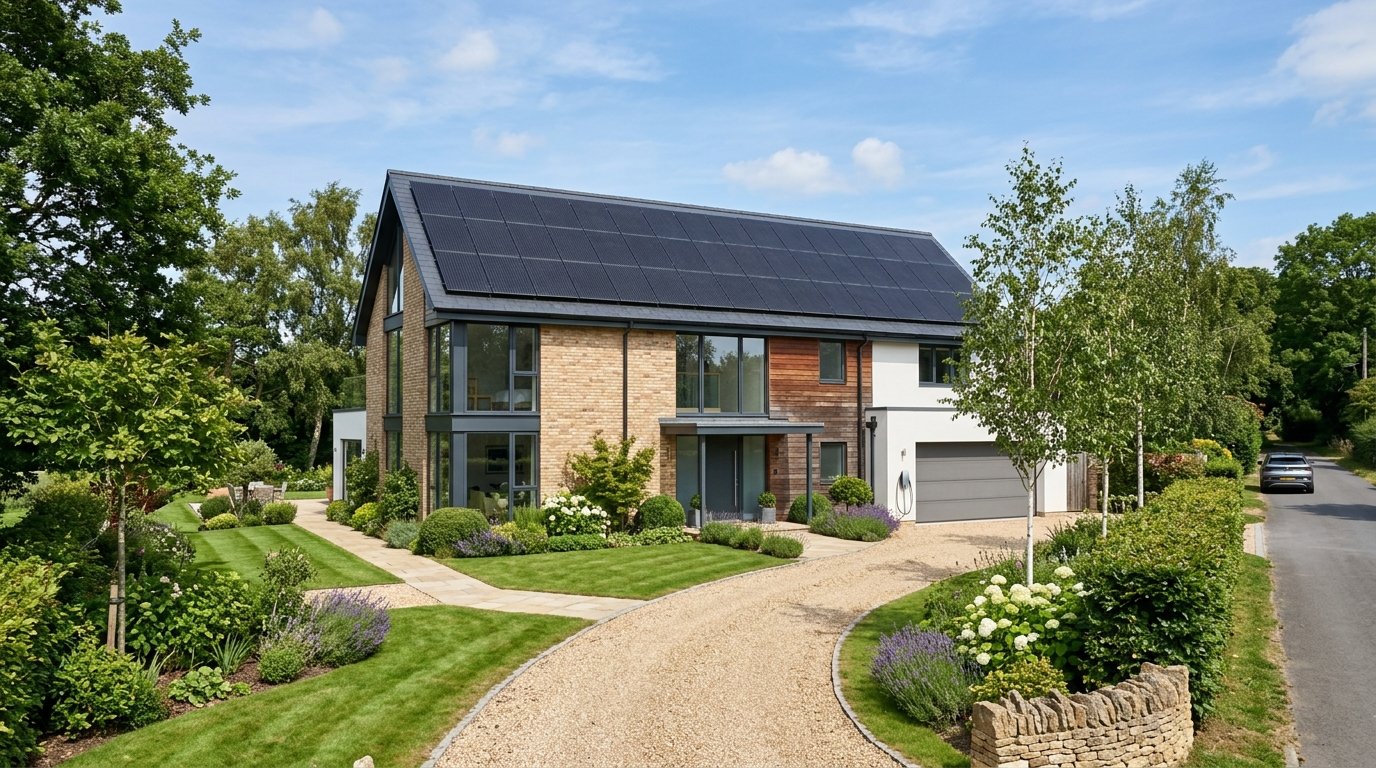
A south-facing roof is often favourable for overall annual output because it receives strong exposure around the middle of the day. However, solar does not become unsuitable simply because a roof faces east or west.
East-facing panels tend to produce more in the morning, while west-facing panels are stronger later in the day. For some households, that pattern can align well with actual electricity use.
A roof with more than one usable slope can also be split into arrays. The installer should model the design rather than applying a one-size-fits-all panel count or assuming that only perfect south-facing roofs are viable.
Very northerly orientations are usually less attractive for conventional rooftop solar, but suitability still needs to be assessed in context. Roof pitch and obstructions can change the result.
Shading can matter more than ordinary cloud
Clouds affect the wider area and move throughout the day. Shading from a chimney, tree, neighbouring building or roof feature can repeatedly affect the same panels at the same time.
That makes shading an important part of the site survey. A south-facing roof with significant shade may perform less effectively than a clearer east- or west-facing roof.
Installers can sometimes reduce the effect by changing panel layout or using technologies such as optimisers or microinverters where appropriate. These are not automatic upgrades for every system; the design should explain why they are being proposed and what problem they address.
Tree shading also changes seasonally. A deciduous tree may cast a dense shadow in summer but much less in winter, while low winter sun can cause other obstructions to create longer shadows. A proper assessment should consider the year rather than a single site visit in one season.
Do solar panels generate in winter?
Yes, but winter generation is typically lower because days are shorter and the sun is lower. Cloudy conditions can reduce output further, and snow may temporarily cover panels in some parts of the UK.
This does not mean winter generation is irrelevant. Solar still contributes whenever daylight conditions allow, and clear cold days can produce useful output. The system should simply be sized and financially assessed using realistic annual modelling rather than expecting summer-like production in December.
Be cautious of sales claims that present a single annual generation number without showing the assumptions behind it. The estimate should reflect the exact location, panel arrangement, roof direction and shading.
What about rain?
Solar panels can continue generating during rain because daylight still reaches them, although heavy rain usually comes with cloud that reduces irradiance.
Rain can wash away some loose dust and pollen, but homeowners should not assume that panels are permanently self-cleaning in every situation. Bird droppings, persistent grime or unusual local conditions can still affect parts of an array.
Cleaning should be carried out safely and only when necessary. Avoid climbing onto a roof to clean panels yourself. If monitoring shows an unexplained performance issue, investigate the cause before assuming dirt is responsible.
How system size affects cloudy-day performance
A larger array has more generating capacity, but simply adding panels is not always the best solution. Roof area, inverter design, export constraints, household demand and shading all need to be considered.
The correct question is how much solar capacity suits the property and energy use. Our guide on how many solar panels a home needs explains how annual consumption, roof space and future demand should be reviewed together.
A good design should not be based on the maximum number of panels that physically fit if the extra capacity adds little practical value or creates layout compromises.
Solar batteries and cloudy weather
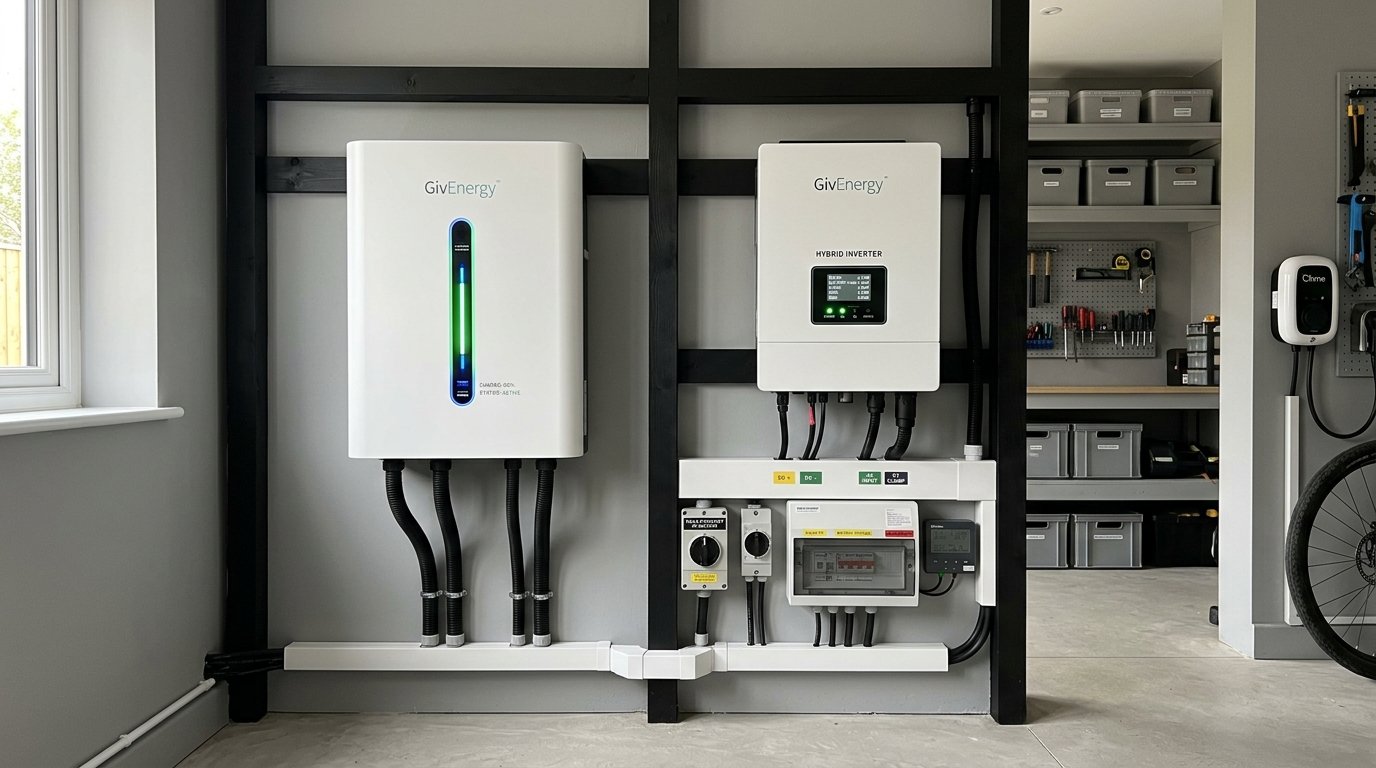
A battery does not make cloudy-day generation higher. It changes when stored electricity can be used.
On a bright day, a battery may store surplus solar electricity that would otherwise be exported. That energy can then be used later, such as in the evening. On a very cloudy day, there may be less surplus available to store, although some battery systems can also use time-of-use grid tariffs where appropriate.
Whether a battery makes sense depends on consumption patterns, tariffs, existing solar generation, battery capacity and the household's priorities. Avoid relying on guaranteed savings or fixed payback claims because these variables can change.
How to compare solar generation estimates
When reviewing solar quotes, ask each installer to explain:
- proposed system capacity in kWp
- number and rating of panels
- roof orientations used in the model
- shading assumptions
- estimated annual generation
- inverter arrangement
- expected self-consumption assumptions
- whether battery storage is included in the model
- what happens to surplus electricity
If two installers predict very different generation from a similar array, the assumptions need closer examination.
Energy Saving Trust guidance and MCS consumer standards can provide useful independent context when comparing solar proposals.
Can Proper Trades arrange a solar assessment?
Proper Trades coordinates solar panel installations across the Midlands, including projects that involve battery storage or roof checks before installation. If the roof condition is uncertain, it can be useful to arrange roofing services before panels are fitted.
The aim should be a system designed around the actual property, rather than a generic promise based on the number of bedrooms or an idealised weather scenario.
Proper Trades connects homeowners and businesses across the Midlands with roofing services.
Proper Trades connects homeowners and businesses across the Midlands with request a free solar quote.
For further guidance, read our solar panel installation process guide.
Frequently asked questions
1. Do solar panels need direct sunlight to work?
No. Direct sunlight usually produces stronger output, but photovoltaic panels can generate from diffuse daylight when the sky is cloudy. Generation changes with light levels throughout the day.
2. Will solar panels work in winter in the UK?
Yes. They generate during winter daylight, but annual output is normally weighted towards spring and summer because winter days are shorter and the sun is lower.
3. Do solar panels stop working when it rains?
No. Rain does not stop the photovoltaic process. Output may be lower because rainy weather is often cloudy, but panels can still produce electricity while it is raining.
4. Is an east- or west-facing roof suitable for solar panels?
It can be. East-facing arrays generate more in the morning and west-facing arrays more later in the day. A site-specific estimate is more useful than rejecting a roof purely because it is not south-facing.
5. Does shading matter more than cloudy weather?
It can. Regular shading from a chimney, tree or neighbouring building affects the same area repeatedly, while cloud cover is generally more variable. The installer should model shading as part of the system design.
6. How can I tell if my solar panels are generating normally on cloudy days?
Use the inverter or monitoring app to compare performance over time rather than focusing on one reading. If generation becomes unexpectedly low relative to similar conditions, your installer can check for faults, shading changes or monitoring issues.
Need Professional Help with Your Project?
Proper Trades connects you with vetted, qualified trade specialists across the Midlands. Tell us your requirements, and we will review your project and present a single clear quote.
Enquiry Received
Thank you. We will review your project and get in touch shortly.