Quick Answer
No. Solar panels work perfectly well without battery storage. During daylight, the home can use solar electricity as it is generated and eligible surplus can be exported to the grid. A battery may be useful if you regularly generate electricity when you are not using it and want to store more of that energy for the evening or other periods.
The decision should be based on real consumption data and system modelling rather than a guaranteed saving or standard payback claim.
How a solar-only system works
Solar panels and home battery storage are often discussed as a single package, but they do different jobs. Solar PV generates electricity from daylight. A battery stores electricity so it can be used later.
You can install solar panels without a battery, and many homes do. You can also install certain battery systems without solar and charge them from the grid under appropriate tariffs. Whether you need both depends on your electricity use, generation profile, tariff, budget and what you want the system to achieve.
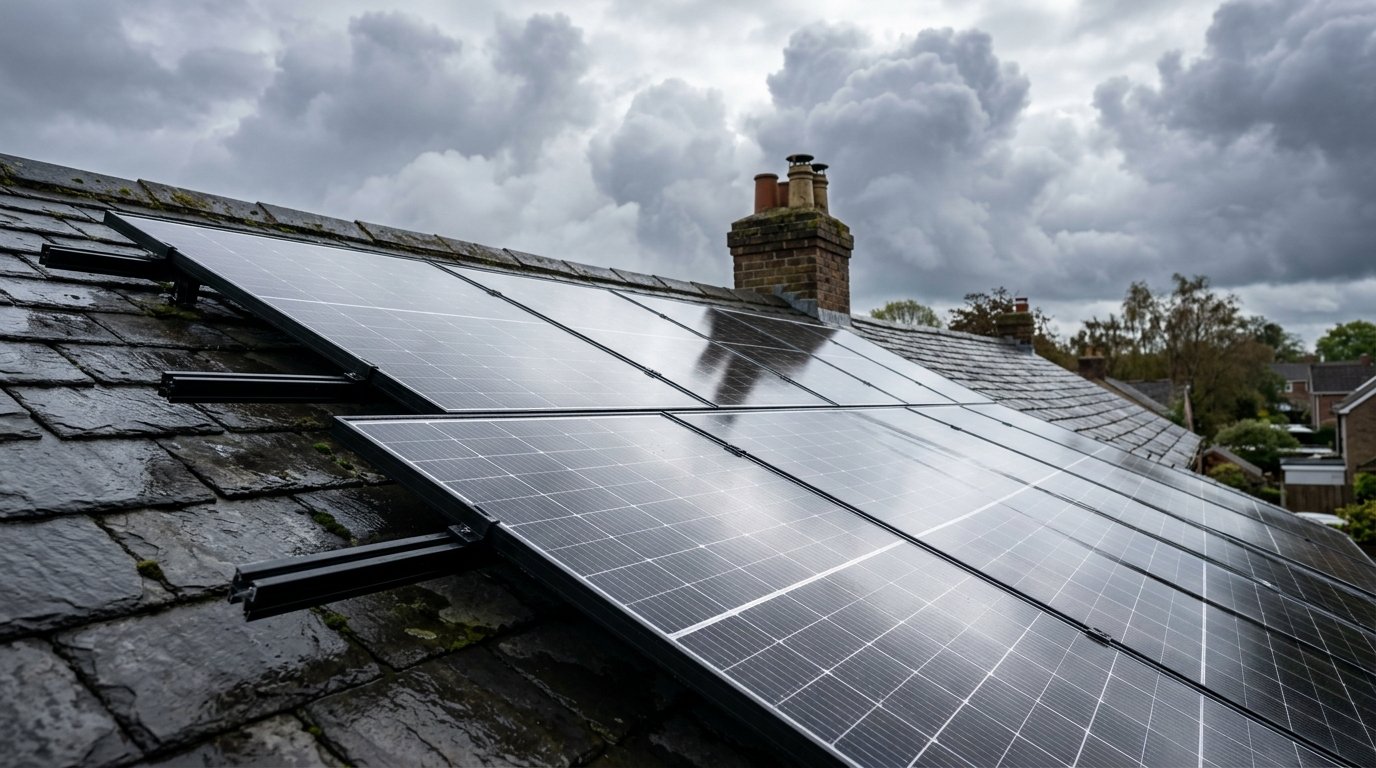
Solar panels generate DC electricity, which an inverter converts for use by household appliances. The home normally uses available solar generation first. If demand is higher than generation, additional electricity is imported from the grid. If generation is higher than immediate demand, surplus can be exported where the system and metering arrangements allow.
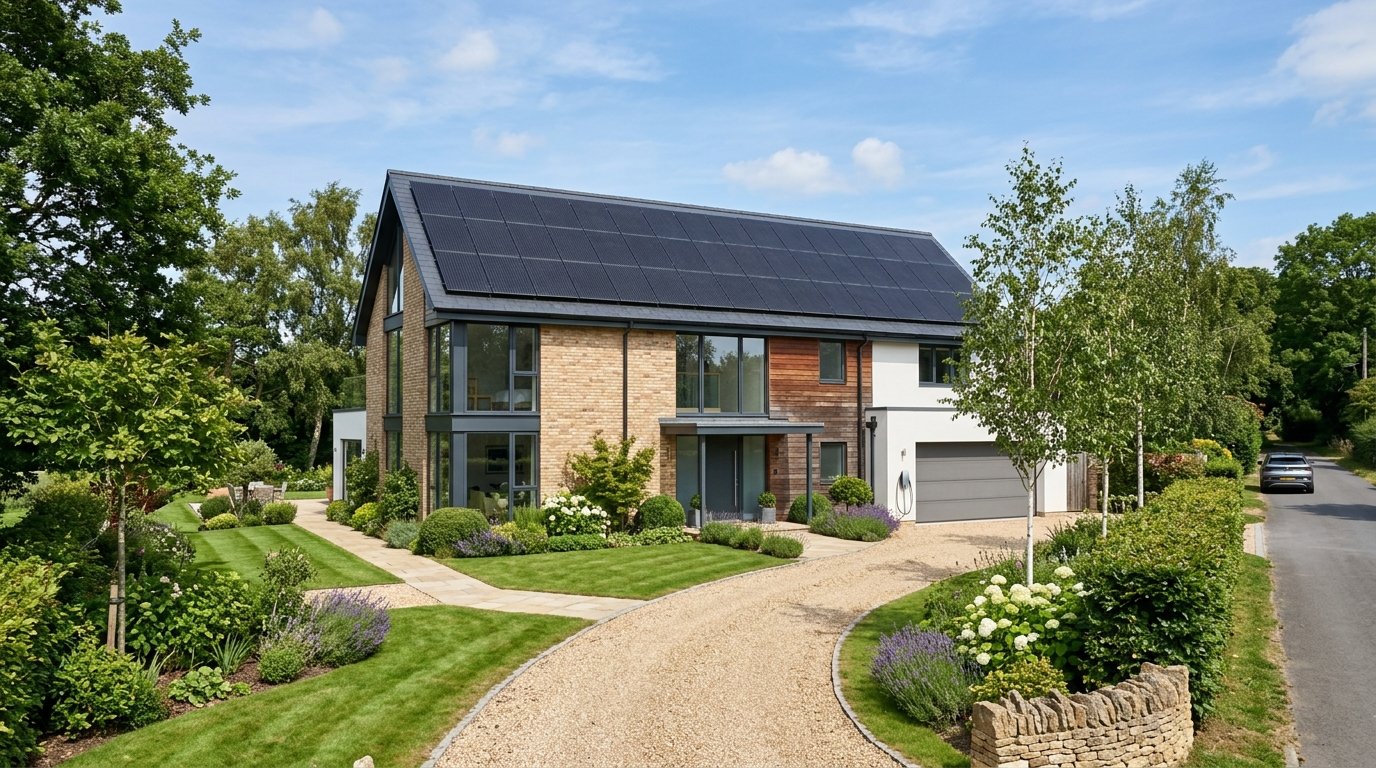
A solar-only system can therefore work well for households with significant daytime consumption. People who work from home, run appliances during daylight or operate a business from the property may use a relatively high proportion of generation directly.
Solar-only also keeps the system simpler. There is less equipment to locate, configure and maintain, although the exact installation still needs appropriate electrical protection, monitoring and grid arrangements.
What a battery adds
A battery can capture some electricity that would otherwise be exported and make it available later. For example, surplus generation from the afternoon may be used after sunset when cooking, lighting and entertainment loads increase.
This can increase solar self-consumption, meaning a larger proportion of the electricity generated by the panels is used within the property.
Some battery systems can also charge from the grid, allowing households on compatible time-of-use tariffs to store electricity during lower-rate periods and use it later. Tariffs can change, so financial comparisons should use current terms and avoid assuming today's rate structure will continue unchanged for the battery's entire service life.
The Energy Saving Trust advises that battery size should reflect household electricity use, solar surplus and whether off-peak grid charging is planned.
When solar without a battery can make sense
A solar-only system may be suitable when:
- daytime electricity use is already high
- the household can shift appliances into solar hours
- the export tariff makes surplus generation useful
- there is limited space for battery equipment
- the initial priority is to install PV and consider storage later
- the modelled benefit of a battery is modest for the household's usage pattern
This is why battery storage should not be treated as a compulsory add-on. Ask the installer to show the expected performance of the solar array with and without storage.
When battery storage may be worth assessing
A battery deserves closer consideration when solar generation and electricity use occur at different times. If the home is empty during the day but demand rises in the evening, storing surplus generation may increase the amount of self-generated electricity used on site.
It can also appeal to households planning an EV, heat pump or other electrical loads, provided the battery and solar system are sized realistically.
Some homeowners value greater control over when they import electricity even if the purely financial case is not decisive. Others prioritise reducing grid imports or using more of their own renewable generation. The right answer therefore depends partly on the household's goals.
Battery storage does not automatically provide backup
One of the most important questions is what happens during a power cut. Many standard grid-connected solar and battery systems shut down or isolate during a grid outage for safety.
Backup or emergency-power functionality requires specific equipment and circuit design. Some systems can support selected essential circuits, while others may provide broader backup subject to capacity and design constraints.
Do not assume that buying a battery means the house will remain fully powered during a blackout. Ask the installer exactly what the proposed system does, how it switches, which circuits are supported and for how long under different loads.
How to think about battery capacity
Battery capacity is usually described in kWh, but the headline capacity is not the only figure that matters. Usable capacity, charge and discharge power, warranty terms, cycle limits, efficiency, operating temperature and compatibility with the inverter can all affect performance.
A battery should be considered alongside how much surplus solar is normally available and how much electricity the household uses after solar production falls.
An oversized battery may not fill regularly from solar, while an undersized battery may reach its limit early and export the remaining surplus. The best size is therefore not simply the largest unit that fits the budget.
AC-coupled and hybrid systems
Battery storage can be integrated in different ways. Some systems use a hybrid inverter that manages both solar and battery functions, while retrofit batteries may use their own AC-coupled inverter.
The technical choice depends on whether the battery is installed with new solar or added to an existing array, along with product compatibility, power requirements and the electrical design.
For homeowners, the most useful questions are practical: what equipment is being installed, where will it be located, how efficient is the charging path, what monitoring is included and what happens if one component is replaced later?
Battery location and safety
Home batteries need a suitable location based on manufacturer requirements and current installation standards. Ventilation, temperature, access, fire safety, cable routes and protection from impact or weather can all matter.
Do not choose the battery location solely because it is visually convenient. The installer should explain why the proposed position is suitable and how the equipment will be accessed for isolation, maintenance or replacement.
As battery standards and guidance continue to develop, using an appropriately certified and competent installer is particularly important.
Solar export and the Smart Export Guarantee
Eligible small-scale generators in Great Britain can receive payments for exported electricity through Smart Export Guarantee tariffs offered by licensed suppliers. Rates and eligibility conditions vary by supplier and product.
A battery can change how and when electricity is exported. Some tariffs are designed around specific battery or smart-control arrangements, while others have different requirements. Check current terms with the supplier rather than assuming all stored electricity will receive the same export treatment.
Ofgem guidance also notes that battery co-location can affect how export is measured for SEG purposes, so metering and tariff compatibility deserve attention during design.
How batteries interact with time-of-use tariffs
Some electricity tariffs have different prices at different times. A compatible battery may be programmed to charge when electricity is cheaper and discharge when household demand is higher.
This can create additional value beyond storing solar generation, but it also makes the economics more dependent on tariff structures and smart controls. Tariffs can be withdrawn or revised, so projections should be treated as scenarios rather than guarantees.
Ask for assumptions in writing. If a proposal depends heavily on a particular tariff, understand what the result looks like under a more ordinary tariff as well.
Solar and battery sizing should be modelled together
The array, inverter and battery affect one another. A household with a small solar array may have limited surplus to store, while a large array may create substantial midday export without storage.
Our guide on how many solar panels you need explains the inputs used to size the generation side. Battery modelling should then use the expected generation curve and household load profile.
If possible, provide half-hourly smart-meter data or detailed usage information. It can give a better picture than annual consumption alone.
Should you add a battery to existing solar panels?
Often it is technically possible, but the existing system needs to be reviewed. The installer should check inverter arrangement, metering, export tariff implications, electrical protection, available space and product compatibility.
If the original solar system receives legacy Feed-in Tariff payments, seek current advice before making changes because storage and metering arrangements can affect how export is treated.
Do not assume the original solar installer must supply the battery, but make sure any new work does not compromise existing warranties or certification.
Questions to ask before buying a solar battery
Ask the installer:
- What is the usable battery capacity?
- What charge and discharge power is available?
- How was the recommended size calculated?
- Can the battery charge from the grid?
- Does the system provide backup during a power cut?
- Which circuits are backed up, if any?
- What are the warranty conditions?
- What monitoring is included?
- How does it affect export metering and tariffs?
- Can capacity be expanded later?
- Where will the battery be located and why?
A clear proposal should answer these questions without relying on a single promised saving figure.
Planning a solar-plus-storage project
Proper Trades coordinates solar panel and battery storage projects across the Midlands. Where the installation requires electrical upgrades or a roof assessment, those trades can also be planned around the same project.
Before work starts, understand the solar panel installation process and check whether any planning considerations for solar panels apply to your property.
Proper Trades connects homeowners and businesses across the Midlands with request a free trade quote.
For further guidance, read our solar generation in UK weather.
Frequently asked questions
1. Can solar panels work without a battery?
Yes. The home uses solar electricity while it is being generated, with additional demand supplied by the grid and eligible surplus exported. Battery storage is optional.
2. Can I add a battery to solar panels later?
Often, yes. The existing inverter, metering, wiring, available space and export arrangements should be assessed first. A retrofit battery may use a different configuration from a battery installed with new solar.
3. Will a solar battery power my home during a power cut?
Not automatically. Backup requires a system designed for emergency operation. Ask whether the proposed battery supports backup, which circuits it supplies and what switching equipment is included.
4. What size solar battery do I need?
The size should reflect surplus solar generation, evening or overnight electricity use, tariff strategy and the battery's usable capacity. There is no single standard size that suits every home.
5. Can a battery charge from the grid as well as solar panels?
Many modern systems can, subject to configuration and tariff compatibility. This can be useful with time-of-use tariffs, but the financial result depends on current import and export rates.
6. Is battery storage always financially worthwhile?
No. It depends on system cost, electricity use, solar surplus, tariff structure, battery performance and how long you keep the system. Treat savings forecasts as estimates and compare solar-only and solar-plus-storage scenarios before deciding.
Need Professional Help with Your Project?
Proper Trades connects you with vetted, qualified trade specialists across the Midlands. Tell us your requirements, and we will review your project and present a single clear quote.
Enquiry Received
Thank you. We will review your project and get in touch shortly.