Quick Answer
Confirm the work scope and programme, clear access around the property, move vehicles and fragile items away from working areas, protect belongings stored in the loft, tell neighbours about likely disruption, plan for children and pets, and understand where scaffolding, skips and materials will be placed. Before work starts, make sure you know who your main contact is and how unexpected defects will be handled.
1. Confirm exactly what the roofing work includes
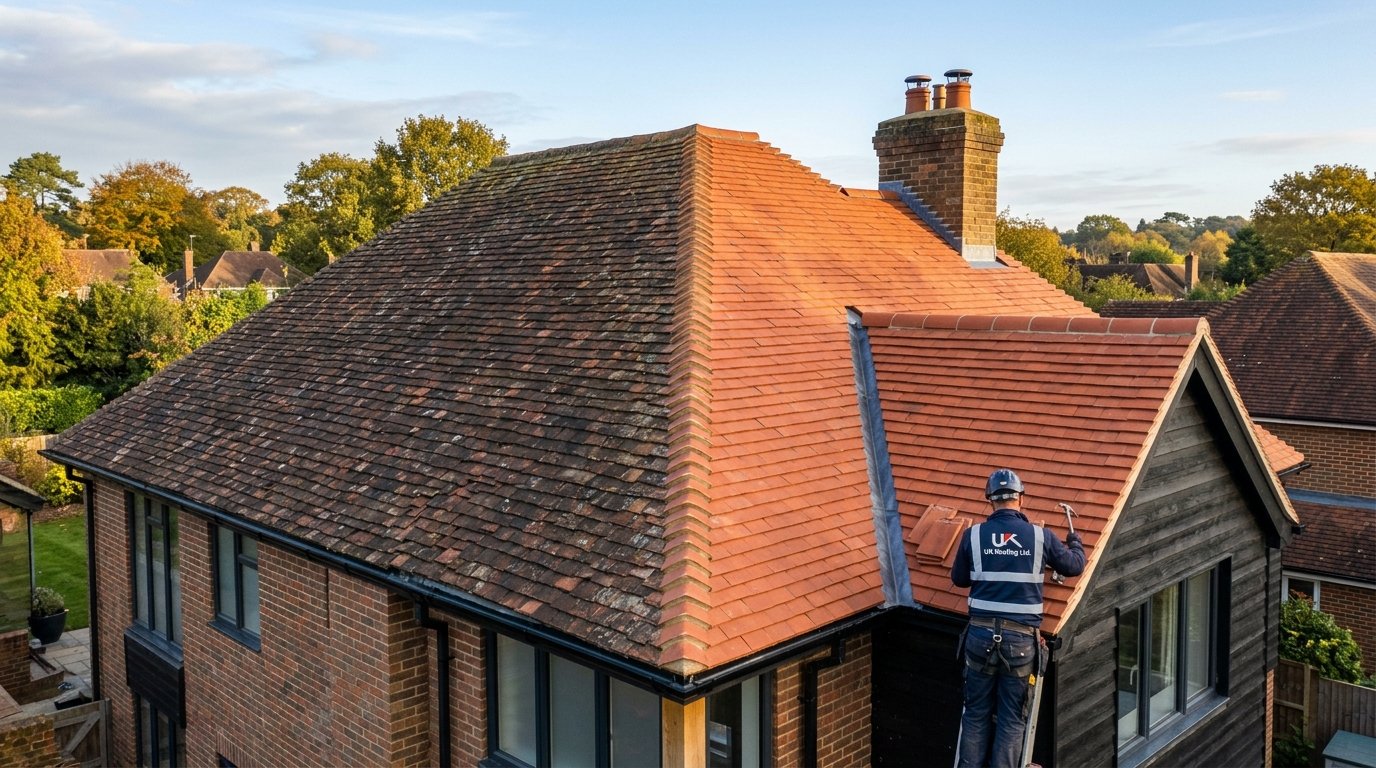
A roof replacement is a substantial project, but the work is easier to manage when the property is prepared before scaffolding and roofing materials arrive. Good preparation helps the roofing team work safely, protects belongings, reduces avoidable disruption and gives neighbours a clearer idea of what to expect.
The exact arrangements depend on the property, roof type and scope of work. A detached house with a large driveway presents different challenges from a terrace with shared access, and replacing a small flat roof is very different from stripping the main roof of a multi-storey property.
Preparation starts with the quotation and specification. You should understand whether the project includes stripping the existing roof covering, replacement battens or membrane, insulation work, ventilation, flashing, ridge details, gutters, fascias, soffits and waste removal.
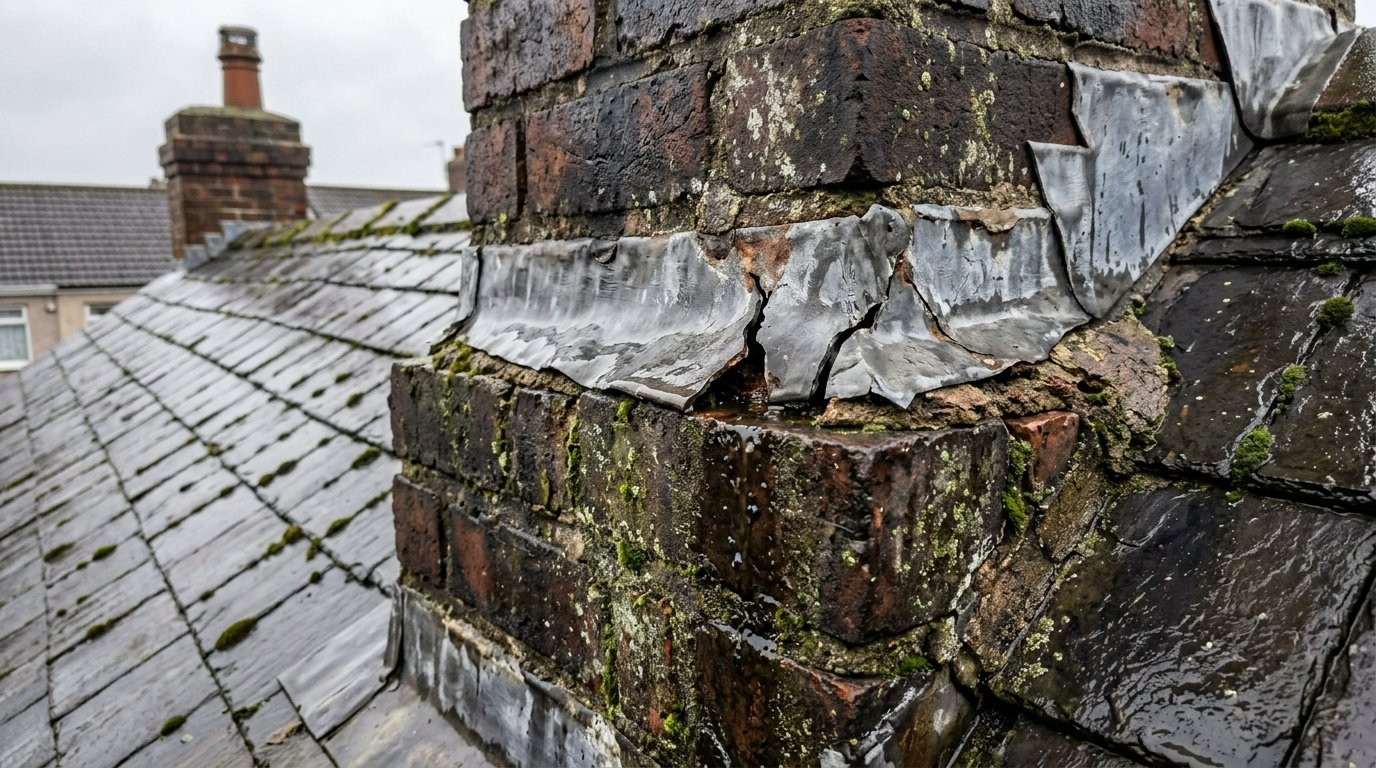
Ask what parts of the existing roof are being retained and what will happen if hidden defects are uncovered after the covering is removed. Timber decay, damaged decking or previous poor alterations may only become visible once work is underway.
A clear change process is useful. You do not need to predict every possible issue, but you should know how additional work will be explained and approved before it proceeds.
If you have not yet decided whether replacement is necessary, read our guide on roof repair or replacement before committing to a full project.
2. Discuss scaffolding and access in advance
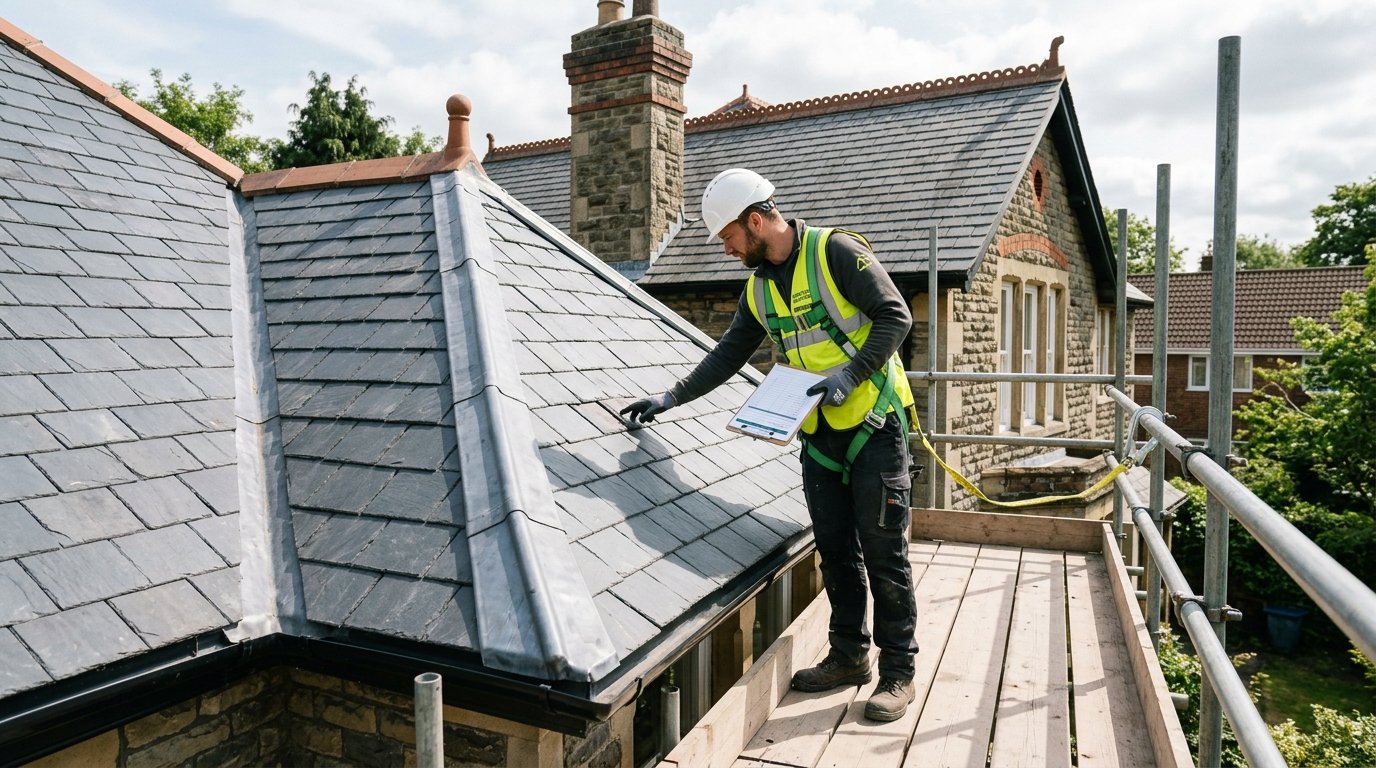
Roof replacement normally requires safe access, often involving scaffolding. Ask where scaffold standards, boards and access points will sit and whether they affect doors, gates, paths, satellite dishes, security lights or neighbouring land.
If scaffolding needs to stand on land you do not own, make sure access arrangements are discussed properly rather than assumed. Shared driveways, narrow passages and terraced properties need particular planning because contractors, waste and deliveries all compete for limited space.
Consider day-to-day access as well. You may still need to reach bins, bikes, garden buildings or utility meters while the project is underway. Agree which routes must remain usable.
3. Move vehicles away from the working area
Roofing work involves old materials, dust and debris being moved from height. Even with careful working practices, it is sensible to move cars, motorcycles and bicycles away from the immediate area around scaffolding, skips and material handling.
Discuss delivery locations before work starts. Roof tiles, slates, timber and scaffold components can require considerable space, and a delivery vehicle may need temporary access to the front of the property.
If parking is limited or controlled, identify alternatives early. Do not assume the roofing team can occupy restricted areas or block a public footway without appropriate arrangements.
4. Clear fragile items from the loft
Removing an old roof creates vibration and can dislodge dust and small debris into the loft. If you store belongings there, move fragile or valuable items away from the roof structure and cover anything that remains.
Boxes directly beneath rafters or close to eaves may obstruct inspection or work. Creating clear access can help the roofer see the underside of the roof and identify any unexpected damage more efficiently.
If the project includes insulation or ventilation changes, a larger area of the loft may need to be accessible. Confirm this in advance so you are not trying to move stored items after the work has started.
5. Protect items attached to walls and ceilings
Roof stripping, scaffolding and construction movement can create vibration. Most homes will not experience significant internal damage from properly managed roofing work, but it is sensible to remove especially fragile ornaments, loosely hung pictures or delicate items from upper-floor walls and shelves.
If there are existing cracks, damaged plaster or vulnerable ceilings, photograph them before work begins. This gives you a useful condition record and makes it easier to distinguish pre-existing issues from anything that changes during the project.
6. Prepare children and pets for noise
Roof work can involve hammering, cutting, movement on scaffolding and unfamiliar people around the property. Pets may find this stressful, and young children need to be kept away from work areas, tools and access points.
Plan where pets will stay during the noisiest stages and make sure gates or doors cannot be left open accidentally. Tell the roofing team if there are animals on the property so they can take extra care when moving through shared areas.
If someone works from home, consider whether temporary alternative working arrangements would make sense during the stripping or installation stages.
7. Tell neighbours what is happening
You do not need to provide every project detail, but advance notice is considerate where scaffolding, deliveries, noise or temporary parking changes may affect nearby homes.
This is particularly important for terraces, semis and properties with shared access. If any part of the work requires access to neighbouring land, deal with that formally before the start date rather than asking contractors to negotiate on the day.
A simple explanation of expected working hours and likely duration can prevent misunderstandings.
8. Check external fixtures and services
Satellite dishes, aerials, CCTV cameras, security lights, external cables and solar panels can all affect roofing access. Make sure the roofing contractor knows about them before the scaffold design and programme are finalised.
If equipment needs to be temporarily removed, confirm who is responsible for disconnection and reinstatement. Electrical or solar equipment should be handled by appropriately competent people rather than moved casually to create space.
If you have solar panels and the roof needs replacement, coordinate the roofing and solar teams carefully. Proper Trades offers both roofing services and solar energy services where multiple trades need to work in sequence.
9. Plan for weather changes
Roof replacement is weather-sensitive. Contractors should plan stripping and temporary protection carefully, but rain and wind can still affect the programme.
Ask how the property will be kept weatherproof if conditions change after the old covering has been removed. It is also sensible to understand how delays will be communicated rather than expecting every date to remain fixed regardless of weather.
Avoid creating your own rigid schedule around an exact completion day if other important arrangements depend on it. A realistic programme should allow for weather and unforeseen roof conditions.
10. Understand waste and skip arrangements
Old tiles, felt, timber and packaging create substantial waste. Find out where skips or waste vehicles will be positioned and whether they affect your driveway, access or neighbours.
If a skip needs to stand on the public highway, additional arrangements may be required. The contractor should make clear who is organising these elements.
Keep children and pets away from waste areas. Do not add your own household rubbish to a project skip without asking, as capacity and waste type may be controlled.
11. Keep important rooms accessible
Roofers usually work externally and in the loft, but access may occasionally be needed inside to inspect staining, check ventilation or review structural details.
Keep the loft hatch and affected upper-floor rooms reasonably accessible. If alarm systems, locked gates or remote working arrangements could prevent access, agree a practical process with the contractor.
At the same time, do not leave the entire property unnecessarily open. Know which areas the team genuinely needs to enter and who is responsible for keys or access codes.
12. Photograph the property before work starts
Take clear photographs of the roof from safe ground-level viewpoints, external walls, windows, driveway and internal areas close to known leaks or cracks. The purpose is not to assume something will go wrong; it is simply good project documentation.
Keep the quotation, specification, correspondence and photographs together. For larger work, a simple dated project folder makes handover and any future maintenance far easier.
13. Know what to expect at handover
Before the final payment stage, inspect the completed work from safe viewpoints and review any photographs provided by the contractor. Check that gutters are clear, waste has been removed and agreed external items have been reinstated.
Ask for relevant product information, guarantees or warranties where applicable, together with any certificates or documentation linked to insulation, electrical work or other associated trades.
You should also understand what routine maintenance the new roof needs. No roof is completely maintenance-free; gutters, outlets, flashings and roof-mounted equipment still need sensible observation over time.
A roof replacement preparation checklist
Before the start date, confirm that you have:
- reviewed the final written scope
- agreed how additional work will be authorised
- discussed scaffold and delivery locations
- moved vehicles and outdoor valuables
- cleared or covered loft belongings
- secured pets and planned for children
- informed affected neighbours
- identified aerials, solar equipment and external cables
- understood skip and waste arrangements
- photographed existing property condition
- confirmed the main contact and communication method
- asked what documentation will be provided at completion
Proper Trades connects homeowners and businesses across the Midlands with request a free project quote.
For further guidance, read our roof inspection frequency guide.
Frequently asked questions
1. Do I need to move out during a roof replacement?
Usually not for a straightforward residential roof replacement, but the project can be noisy and disruptive. Temporary accommodation may be worth considering if the property has unusual access, vulnerable occupants or extensive internal structural work alongside the roofing project.
2. Should I empty the loft before roof work?
You do not always need to empty it completely, but clear access and protect stored items from dust. Fragile possessions and anything close to the roof structure should be moved or covered.
3. Can I leave my car on the driveway during roof replacement?
It is generally better to move vehicles away from scaffolding, skips and material handling areas. Discuss parking with the roofer because the safest arrangement depends on the site layout.
4. What happens if it rains while the roof is being replaced?
Roofers plan stripping and temporary protection around weather conditions. Ask how exposed areas will be protected and how weather delays are handled. Work may pause when conditions make roofing unsafe or risk water ingress.
5. Do I need to tell my neighbours about roof work?
It is good practice where noise, scaffolding, parking, deliveries or shared access may affect them. If access to neighbouring land is required, make sure the necessary agreement is dealt with before work starts.
6. What should I receive when the roof replacement is finished?
Keep the final invoice, agreed specification, relevant warranties or guarantees, product information, photographs and any certificates related to associated regulated work. Ask the contractor what maintenance and inspection they recommend for the completed roof.
Solar Energy
5 SEO resource rewrites • Proper Trades Solar Energy content cluster
Need Professional Help with Your Project?
Proper Trades connects you with vetted, qualified trade specialists across the Midlands. Tell us your requirements, and we will review your project and present a single clear quote.
Enquiry Received
Thank you. We will review your project and get in touch shortly.