Quick Answer
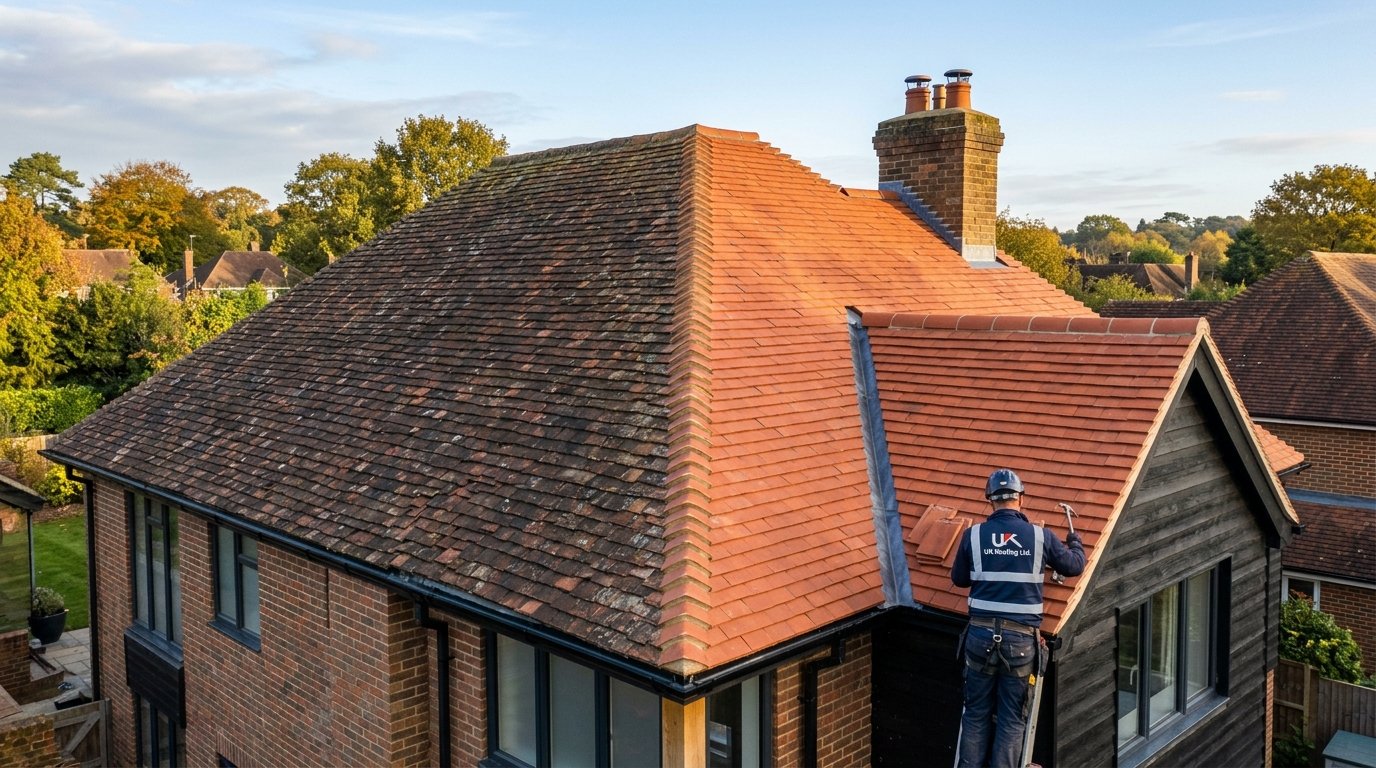
Homeowners should keep an eye on the roof throughout the year and arrange a professional inspection when there are signs of damage, after severe weather, before major roof-mounted work or when the roof is ageing. Landlords and commercial property owners may benefit from planned, recorded inspections because they have maintenance duties and a stronger need to reduce unexpected failures.
The right frequency depends on roof type, age, exposure, surrounding trees, previous defects and how serious the consequences of a leak would be.
Why regular roof inspections matter
There is no single inspection interval that is perfect for every roof. A newer pitched roof in a sheltered location may need less attention than an ageing flat roof beneath mature trees, while a commercial property with costly operational disruption may justify a more formal maintenance programme.
A practical approach is to combine routine visual checks with professional inspections at sensible intervals and after events that could have caused damage. The purpose is not to find work for the sake of it. It is to spot small defects before they become leaks, structural problems or avoidable disruption.
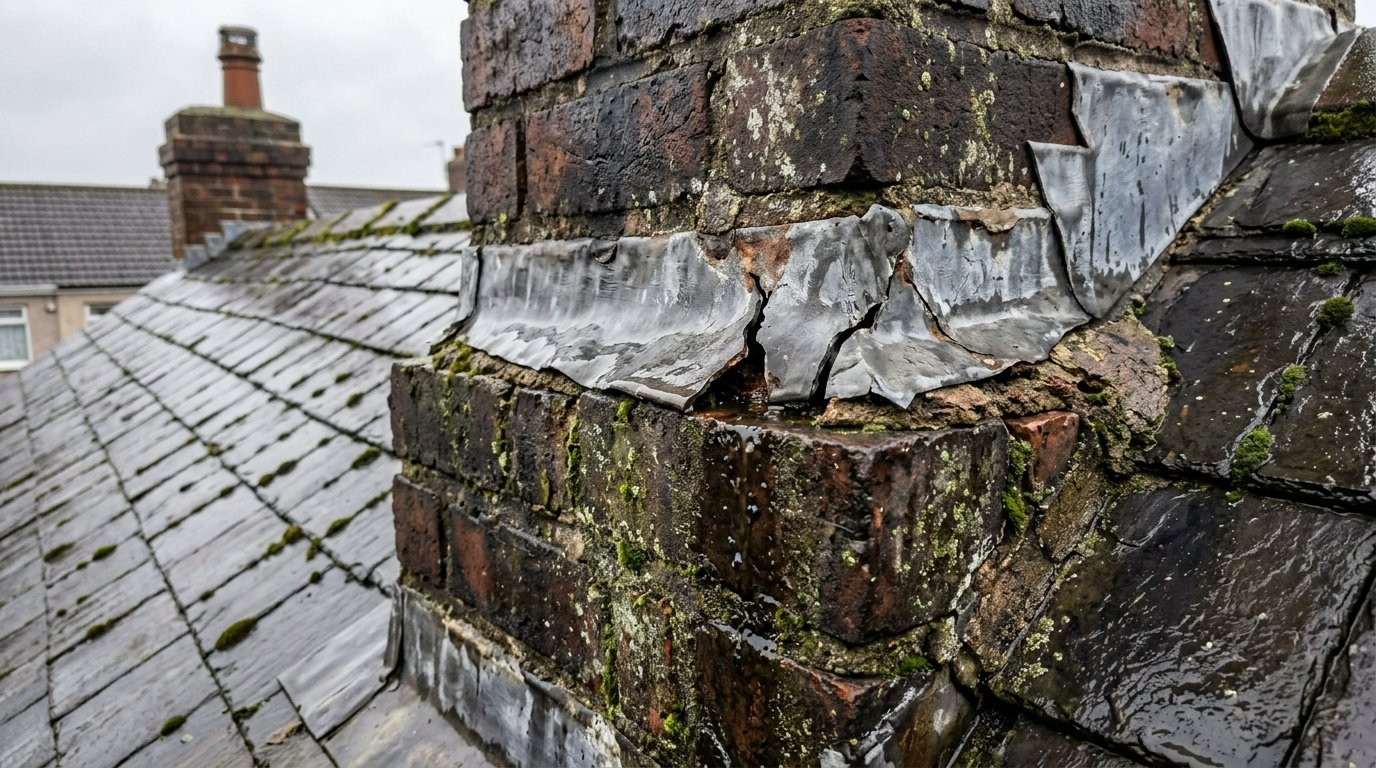
Roof problems often begin outside normal view. A small crack in flashing, loose tile, blocked outlet or damaged membrane can remain unnoticed until water reaches the interior. By that point, insulation, plaster, timber or decoration may already be affected.
Routine checks give you a chance to identify deterioration earlier. They also help build a record of the roof's condition, which is useful when deciding whether a repair is isolated or part of a developing pattern.
For landlords and businesses, planned inspections can support maintenance budgeting and reduce the chance that a leak disrupts tenants, stock, equipment or operations. Records can also make it easier to demonstrate when maintenance was carried out and what action followed.
A sensible inspection schedule for a typical home
For many owner-occupied homes, a simple visual check from ground level a few times through the year is a sensible habit. Look after periods of strong wind, prolonged rain and winter weather, and pay attention when cleaning gutters or carrying out other external maintenance.
Professional inspections do not necessarily need to be frequent when the roof is known to be in good condition and there are no warning signs. However, it becomes increasingly useful to arrange one when you have bought an older property, are planning major renovations, have experienced recurring leaks or cannot confidently assess the roof from normal viewpoints.
Rather than relying on a fixed calendar date, use triggers based on condition and events. This produces a more proportionate maintenance plan.
When to inspect a roof sooner than planned
Certain situations justify an earlier check:
- high winds or a significant storm
- impact from falling branches or debris
- visible slipped, cracked or missing tiles
- new staining or damp indoors
- repeated gutter overflow
- a ceiling leak or unexplained loft moisture
- work by another trade that involved the roof
- installation or removal of solar panels, aerials, vents or rooflights
- planned sale, purchase or major refurbishment
After extreme weather, do not climb onto the roof yourself. Start with ground-level observations and check the loft if it is safe to access. A roofer can then inspect areas that are not visible from below.
Roof age changes the maintenance approach
Older roofs often deserve closer observation, but age should not be treated as proof of failure. A well-maintained traditional roof may remain serviceable for a long time, while a younger roof can develop problems because of poor installation, exposure or later alterations.
The useful question is whether the materials and details are showing signs of deterioration. Cracking, slipping, repeated local repairs, brittle membranes, failing mortar, corrosion and timber problems can all influence how often inspection is worthwhile.
If an inspection identifies widespread deterioration, our guide to roof repair or replacement explains how to assess the options without assuming that every older roof needs immediate replacement.
Flat roofs may need closer observation
Flat and low-pitched roofs rely on membranes and carefully formed falls and outlets. Debris around drains, damage to seams, surface blistering or persistent ponding can become important maintenance issues.
Because drainage is less visually obvious from ground level, flat roofs may benefit from more intentional checks, particularly after leaf fall or severe weather. Commercial flat roofs can also carry plant, vents and service routes that increase the number of details requiring attention.
This does not mean flat roofs are inherently unreliable. Modern systems can perform very well when correctly designed, installed and maintained. The difference is that inspection focuses more heavily on membrane condition, outlets, edge details and penetrations. See our pitched roof vs flat roof guide for a broader comparison.
Properties surrounded by trees
Trees can increase maintenance requirements because leaves, twigs and moss may collect in gutters, valleys and outlets. Branch movement can also damage coverings, and shaded areas may remain damp for longer.
If your property is close to mature trees, it is worth checking drainage after periods of heavy leaf fall and looking for branch damage after storms. Tree management should be carried out appropriately; avoid cutting protected trees or major branches without checking whether permissions or specialist advice are needed.
What should a professional roof inspection include?
The exact scope depends on roof type and safe access, but it should usually consider more than just the outer covering. Areas may include:
- tiles, slates or membrane condition
- ridges, hips and verges
- valleys and roof junctions
- chimneys and flashing
- rooflights, vents and service penetrations
- gutters, outlets and downpipes
- fascias and soffits
- signs of movement or sagging
- accessible roof timbers and underlay
- damp staining or mould inside the loft
- ventilation and insulation where moisture is a concern
Ask for photographs and a distinction between urgent defects, routine maintenance and items that simply need monitoring. This helps prevent every observation being treated as an immediate repair.
Roof inspections before solar panel installation
Solar panels can remain on a roof for many years, so it is sensible to understand the roof condition before installation. A survey should consider the covering, structure, shading and any repairs that would be difficult to carry out once the array is in place.
If the covering is already near the point where substantial work is likely, coordinating roofing and solar work can avoid removing panels later. Proper Trades arranges both roofing and solar energy services, which can be useful where projects overlap.
Roof checks for landlords and commercial properties
A rental or commercial maintenance plan should consider risk as well as physical condition. A minor leak over an unused store may have very different consequences from a leak above electrical equipment, stock, a tenant's bedroom or a public area.
Scheduled inspections can therefore be prioritised around building use, roof complexity and previous problems. Keep dated photographs and records of repairs so future contractors can see what has changed.
For larger sites, it can also be useful to map roof areas and drainage points. This makes it easier to describe a fault accurately and monitor the same location over time.
What you can check yourself safely
From ground level, look for changes rather than trying to diagnose technical details. Missing or displaced tiles, loose ridge components, sagging gutters, vegetation, debris and staining can all justify a closer look.
Inside the loft, where safe, look for fresh water marks, damp insulation, mould, daylight through gaps and signs that timber has become wet. Remember that condensation can cause moisture even when the roof covering is not leaking.
Never walk on a roof merely to inspect it unless you are trained and have the correct safety equipment. Fragile surfaces, rooflights and hidden weak points can present serious risks.
Build roof maintenance into other property work
Roof inspection is easier to manage when it is part of normal property maintenance rather than a reaction to emergencies. Gutter cleaning, chimney work, exterior decoration and solar maintenance can all provide opportunities to observe the roof.
If scaffolding is already required for another project, it may be worth asking whether a visual roofing check can be coordinated at the same time. That does not mean inventing additional work; it means making sensible use of safe access that already exists.
A practical roof inspection checklist
When reviewing your roof maintenance plan, ask:
- Has the roof leaked or required repair recently?
- Has there been severe weather or impact damage?
- Are there trees or debris affecting drainage?
- Is the roof older or made up of several different systems?
- Are you planning solar, a loft conversion or other roof-mounted work?
- Would a leak cause significant disruption or damage?
- Do you have a record of the last professional inspection?
The more of these factors apply, the stronger the case for arranging a professional check rather than waiting for visible internal damage.
Proper Trades connects homeowners and businesses across the Midlands with request a free trade quote.
For further guidance, read our common causes of roof leaks.
For further guidance, read our preparing for a roof replacement.
Frequently asked questions
1. Should I have my roof inspected every year?
Some properties benefit from annual professional checks, but this is not a universal rule for every home. Roof type, age, exposure, previous defects and building use should determine the frequency. Regular ground-level observations remain useful between professional inspections.
2. Should a roof be inspected after a storm?
Yes, if the storm involved strong winds, falling branches, impact damage or you can see displaced materials. A ground-level check is a sensible first step, followed by professional inspection if there are warning signs or the roof is difficult to assess safely.
3. Can a roofer inspect a roof without scaffolding?
Often, yes. The access method depends on the property and what needs to be examined. Some inspections can be completed using safe ladder access, elevated equipment or remote imagery, while others require more substantial access to inspect details properly.
4. What is the difference between a roof inspection and a roof survey?
The terms are sometimes used interchangeably. A basic inspection may focus on visible condition and maintenance needs, while a more detailed survey can provide a structured assessment of construction, defects and recommended actions. Ask what is included before booking.
5. Should I inspect the roof before buying a house?
It can be worthwhile, particularly if the general property survey raises concerns, the roof is difficult to view or major expenditure would affect your decision. A specialist roofing inspection can provide more detail about specific defects and likely work.
6. How do I keep a record of roof maintenance?
Keep dated photographs, inspection notes, invoices, repair descriptions and any warranties or product information. A simple digital folder is enough. The record helps future inspections distinguish old staining and historic repairs from new problems.
Need Professional Help with Your Project?
Proper Trades connects you with vetted, qualified trade specialists across the Midlands. Tell us your requirements, and we will review your project and present a single clear quote.
Enquiry Received
Thank you. We will review your project and get in touch shortly.